

The European Union has enacted some of the most ambitious refrigerant regulations in the
world. With the revised F-Gas Regulation (EU 2024/573) entering into force on 11 March
2024 and major restrictions taking effect from 2025, HVAC manufacturers and installers face
a fundamental shift in how heat pumps and air conditioning systems are designed and
maintained.
What Is the EU F-Gas Regulation?
The regulation targets hydrofluorocarbons (HFCs), which have been widely used as
refrigerants since the 1990s. While HFCs do not deplete the ozone layer, many have
extremely high Global Warming Potential (GWP), sometimes thousands of times greater
than CO2. The 2024 regulation accelerates the phase-down of these substances through a
progressively tightening quota system that reduces the amount of HFCs that can be placed
on the EU market, ultimately reaching zero by 2050.
Key milestones include: from 2025, significant HFC quota reductions and service restrictions
for refrigeration equipment using refrigerants with GWP ≥2500; from 2026, service
restrictions extend to air conditioning and heat pump equipment; from 2027, self-contained
(monoblock) air conditioning and heat pumps up to and including 12 kW must use
refrigerants with GWP below 150 (unless a safety-related exemption applies, in which case a
higher GWP threshold may be permitted); and from 2032, fluorinated gases are prohibited in
this small self-contained segment, except where safety requirements at the operating site
require an exemption.
The Shift to Natural Refrigerants
The regulation is driving rapid transition from traditional refrigerants like R-410A (GWP
2,088) and R-32 (GWP 675) to natural alternatives. R-290 (propane) has emerged as one of
the most promising solutions for heat pumps. With a GWP close to zero (0.02 under IPCC
AR6 methodology), R-290 offers excellent thermodynamic properties including high energy
efficiency. Many modern R-290 heat pump models can achieve water temperatures up to
approximately 70–75°C while operating in ambient temperatures as low as -25°C, depending
on the specific product design.
Major manufacturers are already producing R-290 systems achieving A+++ energy ratings.
In addition, because propane is an A3 refrigerant, modern product designs often focus on
minimising refrigerant charge and controlling potential leak scenarios, further supporting
environmental goals alongside safety engineering. However, this transition introduces new
technical considerations.
Technical Challenges: Noise, Vibration, and Safety
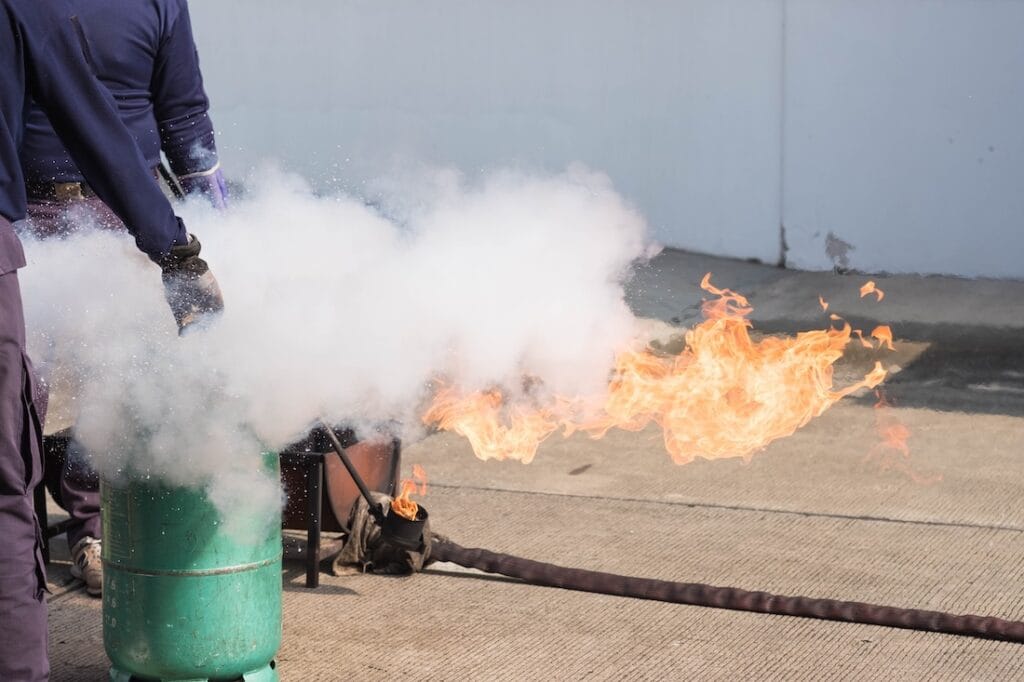
R-290 propane is classified as a highly flammable A3 refrigerant which requires careful risk
management. This includes optimising refrigerant charge levels, managing ignition sources,
appropriate enclosure and ventilation design, and often incorporating leak detection
solutions. Manufacturers are responding with specially designed compressors incorporating
enhanced sealing methods, anti-leak features, and appropriate safety controls.
Beyond safety, the transition affects the acoustic characteristics of HVAC equipment. New
compressor designs and different operating pressures can produce different noise and
vibration profiles. For residential installations near bedrooms or neighbouring properties,
noise performance is critical for customer satisfaction and regulatory compliance.
Implications for the Industry
Equipment manufacturers must redesign products to accommodate low-GWP refrigerants
while maintaining performance. This can include changes to packaging and system
architecture, specialised compressor mounting, integrated leak detection, and enhanced
noise reduction. Installers face new certification requirements for working with flammable
refrigerants. EU Member States must establish or adapt certification programmes by March
2027, and existing certificate holders will need refresher training or evaluation by March 2029.
The exact implementation timelines may vary by country.
Solutions for Optimised Heat Pump Performance
As the industry adapts, solutions addressing the associated challenges become increasingly
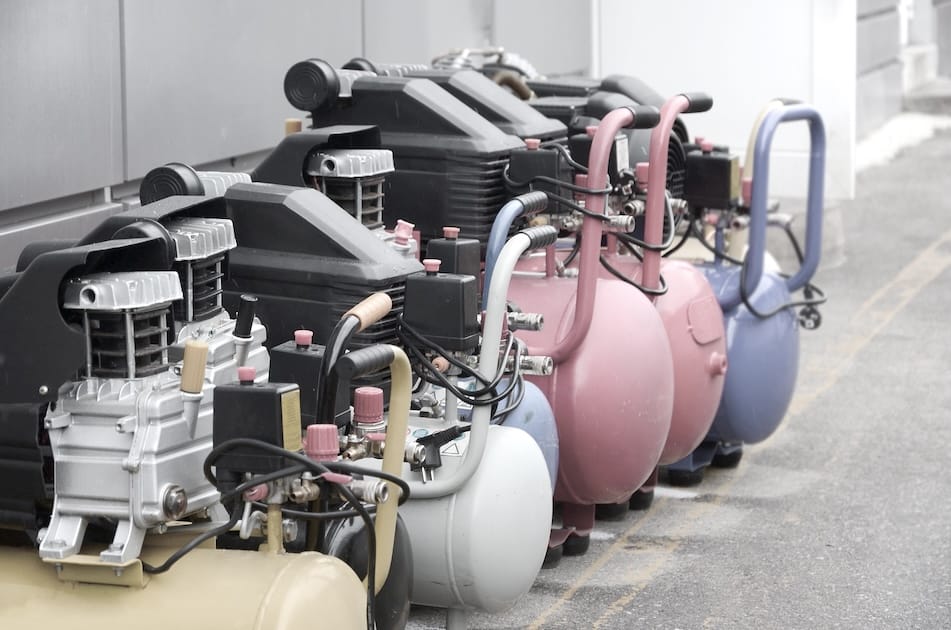
valuable. The compressor, as the heart of any heat pump, is the primary source of
operational noise.
The Meluton Compressor Jacket offers an effective solution for manufacturers seeking to
maximise comfort. This Finnish-engineered acoustic insulation features a customised
multilayer sandwich structure with four different material layers of varying densities for
optimal noise control. At just 23 mm thickness, it provides substantial noise reduction without
significantly increasing unit dimensions.
The Compressor Jacket is optimised specifically for heat pump compressor noise reduction,
addressing both overall sound levels and residual noise tonality. It offers excellent heat resistance and durability, with fast installation via velcro tape attachment. Delivered as CNC-cut, installation-ready parts to client specifications, the product incorporates recycling-based raw materials, supporting the sustainability goals that matter to modern HVAC manufacturers.
Preparing for the Low-GWP Future
The EU F-Gas Regulation 2024 represents a fundamental shift in HVAC refrigerant use.
Natural refrigerants like R-290 offer an environmentally sound path forward but bring new
engineering considerations. Solutions like the Meluton Compressor Jacket help
manufacturers navigate this transition by addressing noise, a key comfort factor, with a
proven, customisable, and efficiently installable product.
Learn more about Meluton’s HVAC noise control solutions: meluton.fi/en/industries/hvac
More information:
ehpa.org/news-and-resources/publications/guidelines-the-eus-new-rules-on-fluorinated-gases/
eur-lex.europa.eu/legal-content/EN/TXT/?uri=CELEX%3A32024R0573